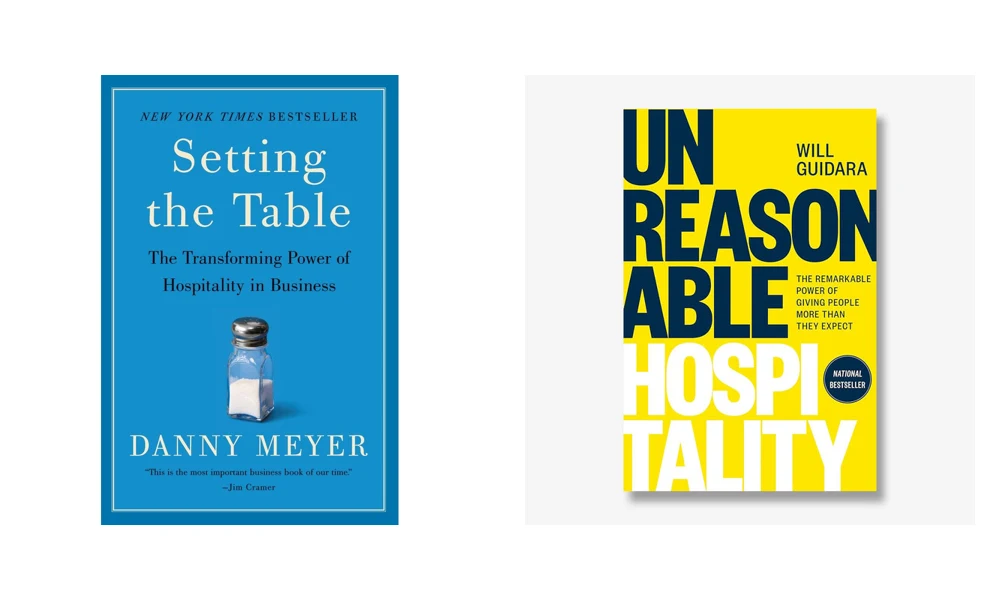
Have Setting the Table and Unreasonable Hospitality raised your expectations for your next restaurant experience?
I don’t blame you. Excellence should be the standard. Putting the guest first and worrying about the margin second sounds like the very definition of hospitality.
But before we turn those inspiring examples into expectations for every restaurant, we need to talk about who pays for them.
Two owners can care equally about your experience while having very different resources to deliver something extraordinary or recover from a mistake.
The question isn’t whether restaurants should be accountable. We should. It’s whether we’re measuring that accountability by how thoughtfully we make things right, or by how much we give away.
That distinction matters when the independent restaurant you love may already be struggling to keep its doors open.
The pressure behind the dining room
Bloomberg reported, citing Bureau of Labor Statistics data, that New York state recorded its steepest net year-over-year decline in eating and drinking establishments in at least 36 years during the first quarter of 2026. The decline exceeded the steepest drop during COVID.
That doesn’t mean books or comps caused those losses. It shows the pressure behind the dining room doors.
People outside our industry keep calling and messaging me about Danny Meyer’s and Will Guidara’s books. They celebrate the care that brings so many of us into hospitality.
My concern is how their lessons can be interpreted: extraordinary generosity becomes the minimum, regardless of what an operator can sustain.
A talented chef can put their life savings into a restaurant and still have very little financial cushion. Passion doesn’t pay the insurance bill. A full dining room doesn’t guarantee a profitable night.
Making things right, thoughtfully
I’ve been on both sides of this table. Guests deserve what they pay for. When we fail, we need to own it, apologize and make it right. Serious failures can warrant a full refund.
But an honest, fixable mistake shouldn’t automatically make the entire meal free.
Taking something off the bill doesn’t erase the ingredients, the labor already performed or the rent.
Some guests who experienced mistakes at my restaurants are now my best customers and closest friends. I’ve even vacationed with some of them.
Those relationships grew because we owned the mistake, apologized and fixed it. Making the experience free wasn’t what built the friendship.
Generosity has a place. So does judgment. Neither “comp everything” nor “comp nothing” is a thoughtful recovery policy.
I’m not asking anyone to lower their standards. I’m asking us to match the remedy to the mistake and leave room for the person trying to make it right.
I’d love your thoughts on this. Where do you draw the line between making a guest whole and making the whole meal free?
More restaurant perspectives: https://NYCDining.com More about me: https://BuddyFoyJr.com
Reporting source: Nacha Cattan / Bloomberg, republished by Insurance Journal, October 14, 2026. https://www.insurancejournal.com/news/east/2026/10/14/888784.htm